
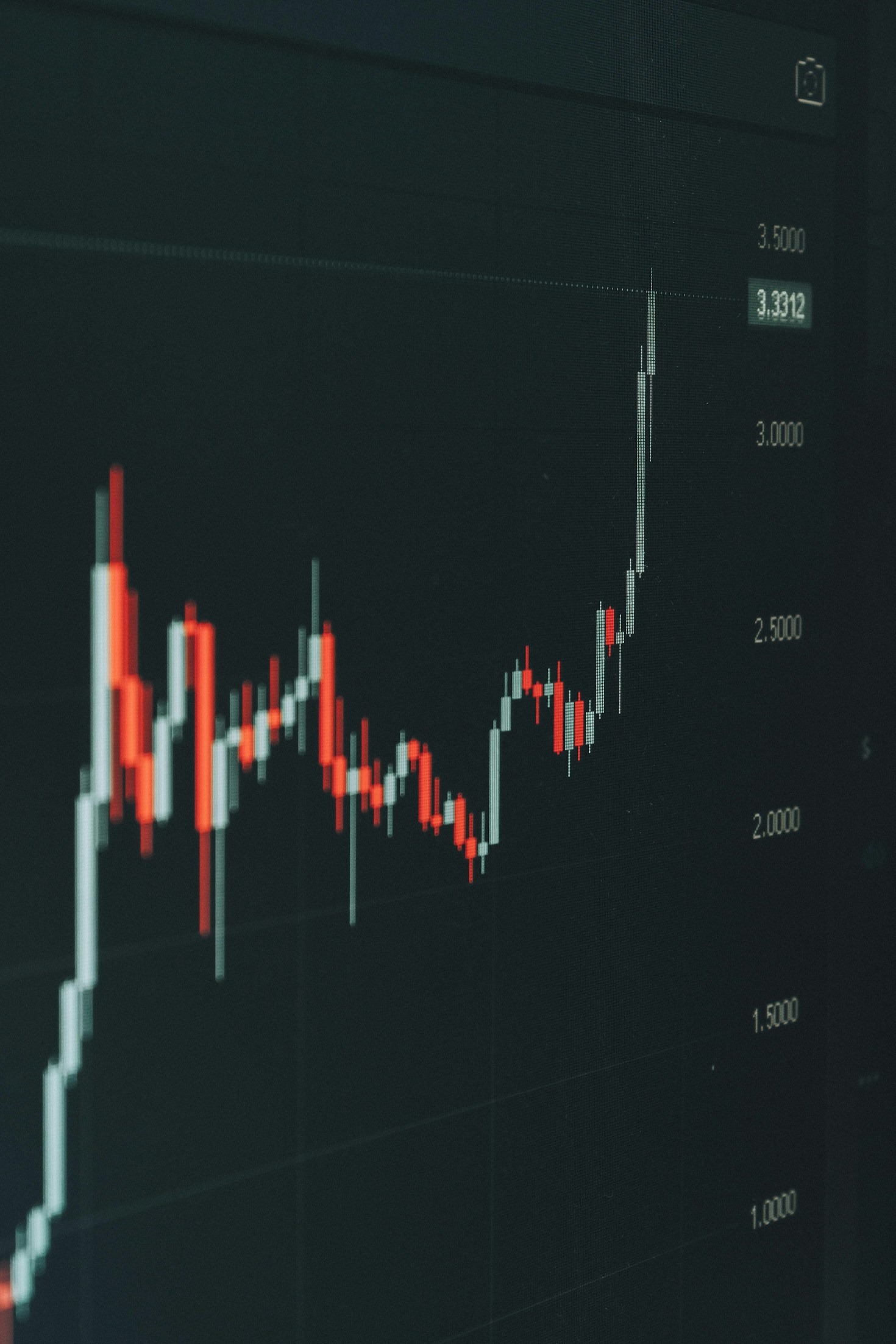
Financial Astrology is the study of how the movement of planets and their aspects influence markets and traders’ behavior.
The main idea is that planetary movements and their angular relationships can indicate price volatility, market growth, corrections, or investment opportunities
Impact on Humans:
Its effect is indirect and psychological. The movement of planets can amplify collective emotions of traders, such as fear, optimism, or excitement.
For example, when the Moon or Mercury forms an important aspect, traders may react quickly or emotionally.
Impact on the Market and Trends:
This method helps predict market trends and fluctuations. It doesn’t mean that a planet directly changes prices, but rather that human behavior—which shapes prices—becomes aligned with or sensitive to planetary movements
Benefits:
Helps with timing trades
Identifies opportunities and risks
Acts as a support tool alongside technical and fundamental analysis
Limitations:
Cannot replace full market analysis
Should be used together with real market data and news


🔹 Practical Example
Suppose you want to trade Bitcoin:
-
Mars Square Mercury → A sudden news event may cause sharp and emotional price swings.
-
Jupiter Trine Venus → Positive conditions for growth and good investment opportunities.
-
Saturn Opposition Bitcoin → Potential market correction or slowdown.
These examples show that each planet and its aspect has a specific effect that can be observed on price charts.
🪐 Step-by-Step Guide to Using Financial Astrology
Step 1: Identify Key Planets
-
Determine which planets influence the market or asset.
-
Example: Bitcoin → Mars, Mercury, Uranus, Jupiter
Step 2: Check Transits and Aspects
-
Examine current planetary transits and their aspects with each other and sensitive market points.
-
Example: Mars Square Mercury → high volatility
-
Example: Jupiter Trine Venus → growth opportunity
Step 3: Analyze Combinations
-
Positive aspects → smooth growth and opportunity
-
Hard aspects → volatility and corrections
Step 4: Timing Trades
-
Use transits to identify the best entry and exit points.
-
Example: Direct motion of Mars or Mercury → short-term buying/selling timing
Step 5: Align with Price Charts
-
Compare planetary movements with price, volume, and market trends
-
Example: When Mars forms a Square with Bitcoin, observe price volatility on the chart
Step 6: Risk Management
-
Reduce risk during hard aspects or retrogrades
-
Example: Reduce trade size, diversify, or use stop-loss orders
Step 7: Review and Learn
-
Track your predictions vs. actual market movements
-
Learn from results and improve your personal strategy
💡 Golden Tips
-
Daily practice: Record planetary transits and market reactions
-
Start simple: Focus on 2–3 key planets first
-
Use tools: Transit calendars, charting software
-
Patience: Some transits take days or weeks to show their effect

Leave a Reply